
How to Let Go of Clutter Without Guilt
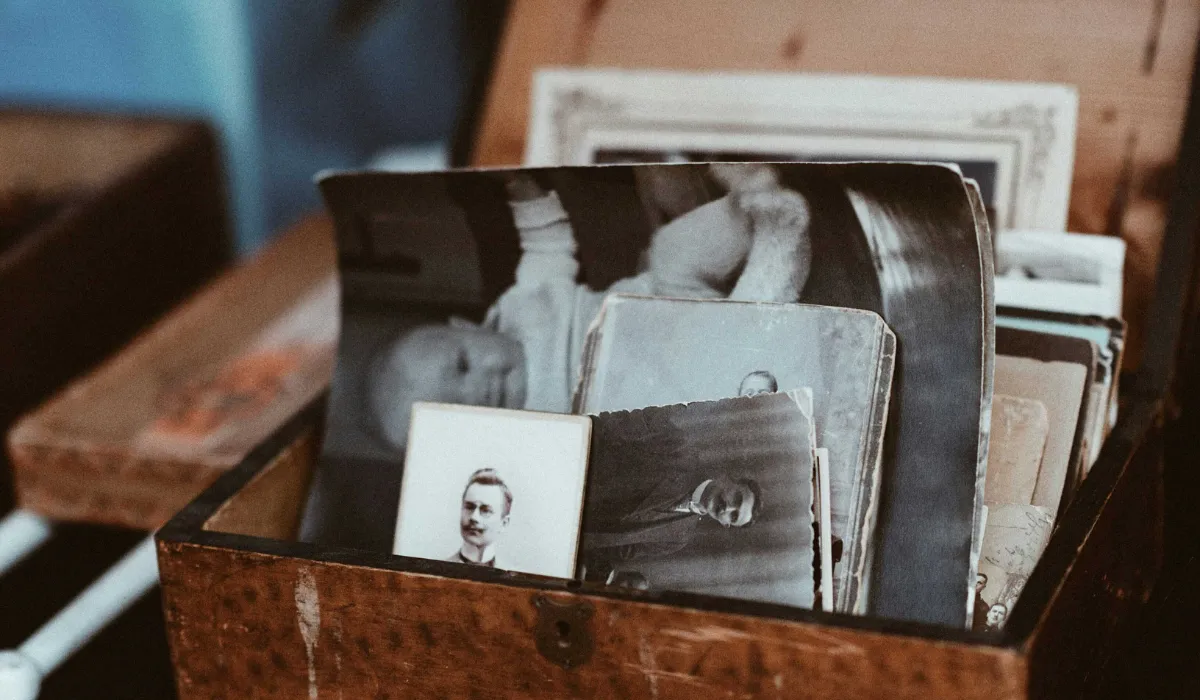
Guilt is the most common reason people can't let go of things they no longer need.
Not lack of time.
Not lack of space.
Not lack of a good system.
Guilt.
The guilt of letting go of something a loved one gave you.
The guilt of admitting something didn't work out.
The guilt of releasing an object that belonged to someone who is gone—as if getting rid of the thing means getting rid of the person.
It doesn’t even though it feels that way.
That’s why we remind ourselves that feelings aren’t facts.
Feelings are real. Just not always the truth.
So feel your feelings.
Just don’t take them for gospel.
Examine them—because most of the time, the guilt we feel about letting things go isn't really about the objects at all.
The Stuff Behind the Stuff
The things we hold onto the longest are rarely the things we use the most.
They're the things tied to relationships.
To unfinished business.
To chapters of our lives that haven't been fully closed.
Or chapters that ended quite a while ago that we haven’t fully accepted yet.
A parent's belongings.
A child's keepsakes.
A gift from someone we've lost—or someone we've grown apart from.
Clothes that fit a version of ourselves we haven’t been for a long time.
These objects become placeholders—they stand in for all kinds of things that aren’t really things.
A conversation we haven't had.
A decision we've been avoiding.
A feeling we haven't finished feeling.
And as long as those placeholders are there, we don't have to face the rest of it directly.
Grief Doesn't Follow a Schedule
For anything tied to grief, it’s important to remember that grief, sadness and sorrow sometimes show up in the most unlikely places.
In closets and boxes and the backs of drawers.
In bags tucked away in attics, basements and garages.
It doesn't always announce itself … it just sneaks up on you and splashes all over you.
And then that thing becomes very hard to put in the donation pile.
And especially the trash.
Even when the item is clearly beyond reusing or recycling.
Which is okay—you never have to let go of something you're not finished with.
But there's an important distinction worth making.
Letting go of an object that belonged to someone you loved is not the same as letting go of the person.
The memory lives in you—not in the thing.
Releasing the object doesn't erase your relationship and it definitely doesn’t erase the person.
Letting something go just means you've decided you don't need the physical placeholder anymore to access the memory.
Fortunately, stuff and memories are not the same thing.
Where the Guilt Actually Comes From
Most decluttering guilt falls into a few recognizable patterns.
The first is inherited guilt—guilt that was handed to you so long ago you forgot it wasn't yours to begin with.
Someone taught you that getting rid of things was wasteful, ungrateful, or disrespectful.
And that might have come from their own childhood or experiences.
Maybe they grew up during a depression or were extremely poor and everything had to be stretched beyond its limits.
Completely understandable.
But their experience doesn’t need to be your experience.
It’s the same way that some traumas are passed on from generation to generation.
So you can break that chain.
And you can just clear a shelf when you’re clearing a shelf—you don’t need to repair historic trauma—you can just put something away or let it go without it meaning anything bigger.
The second is obligation guilt—the feeling that keeping something proves you valued the person who gave it to you.
That if you let it go, you're saying the relationship didn't matter.
The third is identity guilt—holding onto things that belonged to an older version of yourself because releasing them feels like admitting that chapter is really over.
None of these are good enough reasons to keep things even if all of them are understandable.
You Don't Need Permission—But Here It Is Anyway
A lot of people also wait for someone to tell them it's okay to let things go.
So here it is directly: you have permission.
Not because you need me or anyone to give it to you.
But because you already know.
You've known for a while.
You've just been waiting for the moment when keeping it feels harder than letting it go.
That moment doesn't have to arrive as a crisis.
It can arrive as a choice.
A Practical Place to Start
If you’re feeling vulnerable or tentative or tender, don't start with the hardest things.
Don't open the box of your deceased mother's belongings on a Tuesday night after a grueling day at work.
Start somewhere with lower emotional stakes.
Your junk drawer in the kitchen.
A cluttered shelf in the bathroom.
A category of objects you feel relatively neutral about.
Then, set a timer for 15 minutes.
If that feels like too much, try 7.
One of my students, Sylvia Pettigrew, changed her life in 7 minutes a day—simply by staying focused and consistent with a timer.
She’s a single mom who works two jobs so she knows the value of time.
And what she had was 7 minutes on her lunch break between those jobs.
That's really all you need.
Not some convoluted mysterious system.
A timer and 7 minutes.
And just like the gym, build some muscle first.
Don’t try to bench press 350 pounds on your first attempt.
Practice making decisions about things that don't carry much weight.
Then, when you're ready, bring that same decisiveness to the items are a bit heavier.
By then, the process of making decisions will feel familiar.
It might never feel easier but it will definitely not feel foreign.
And remember, the goal is never to get rid of everything.
The goal is to keep what genuinely belongs in your present life—and release the rest with gratitude and intention instead of guilt.
That's not cold.
That's not selfish.
That's not disrespectful.
That's clarity.
Conquer Your Clutter in Just 5 Days!
In 5 days, with ZERO overwhelm, you can tame your clutter with my simple, easy-to-use system.
Unlike those other quick-fix bandaids, THIS system solves the root cause of clutter—so it's gone for good.
For details about the next challenge, click the button below.
Video replays available 24/7 ... so you'll never miss a thing!
.png)


Why Your Home Feels Overwhelming After You've Decluttered
You organized everything and it still doesn't feel calm. Here's what's actually running the show behind the clutter — and how to fix it for good.
Read the article →
How to Keep Your Kitchen Counters Clutter-Free
A cute basket won't fix it. Andrew Mellen on why your kitchen counter becomes the default home for everything without one—mail, keys, chargers—and how to actually stop it.
Read the article →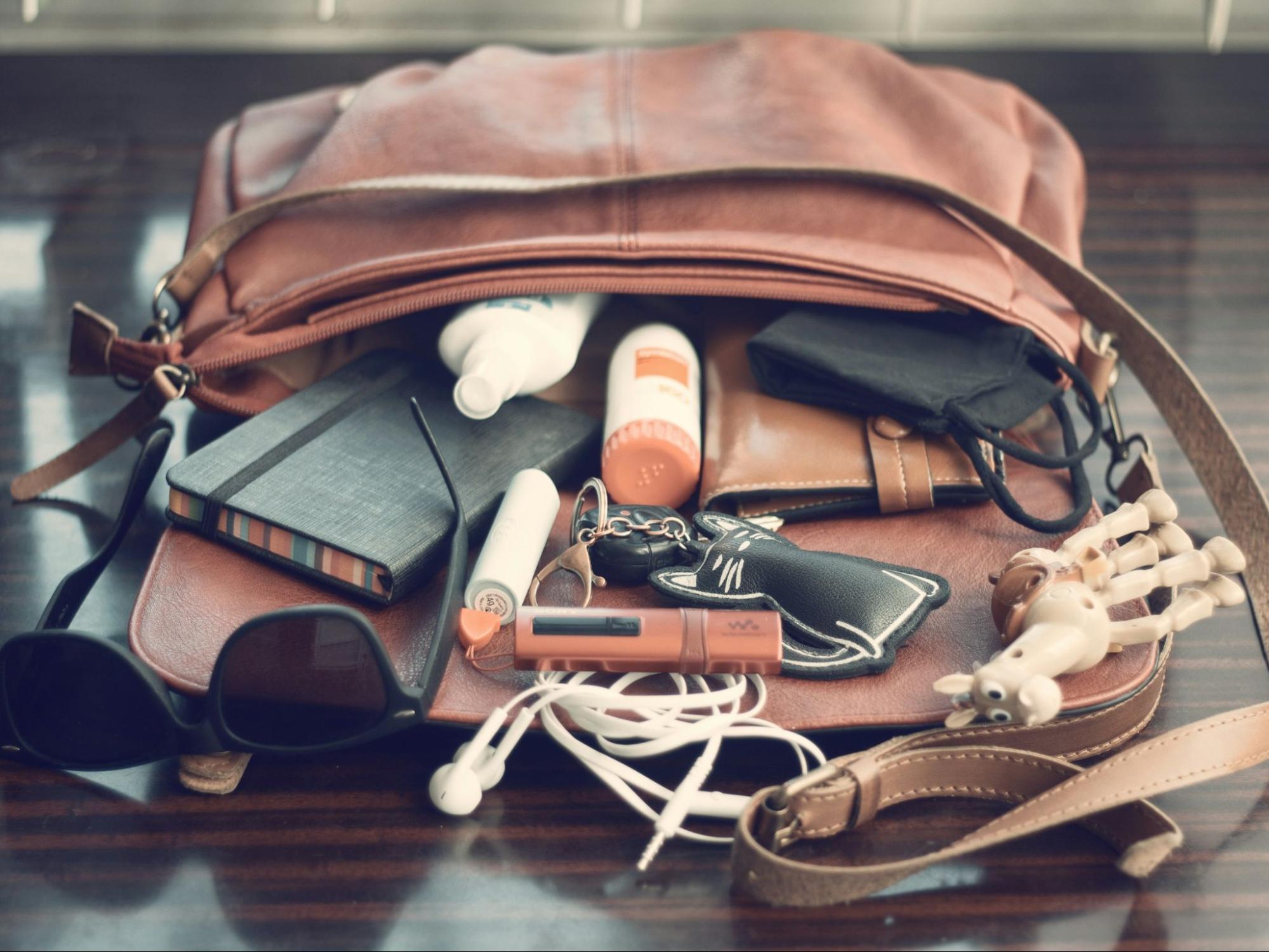
The Woman Who Mistook Her Life For a Handbag
A client's handbag weighed nine pounds. Andrew Mellen on the difference between what we carry and what we're actually afraid to lose—inspired by Oliver Sacks' The Man Who Mistook His Wife for a Hat.
Read the article →
How to Organize an Entryway (So It Actually Stays That Way)
Cubbies and hooks won't save you. Andrew Mellen on why your entryway falls apart within days of cleaning it—and how to build one that actually holds, whether or not you've got kids and backpacks.
Read the article →
How to Declutter a Messy Garage
A bigger garage won't fix it. Andrew Mellen on why your garage became a dumping ground for every decision you didn't want to make—and how to actually clear it, one timer at a time.
Read the article →
Why Can't I Keep My House Organized?
Getting organized isn't the problem. Staying that way is. Andrew Mellen on why we're addicted to the dramatic reveal and allergic to the boring maintenance that actually works.
Read the article →