
How to Organize an Entryway (So It Actually Stays That Way)
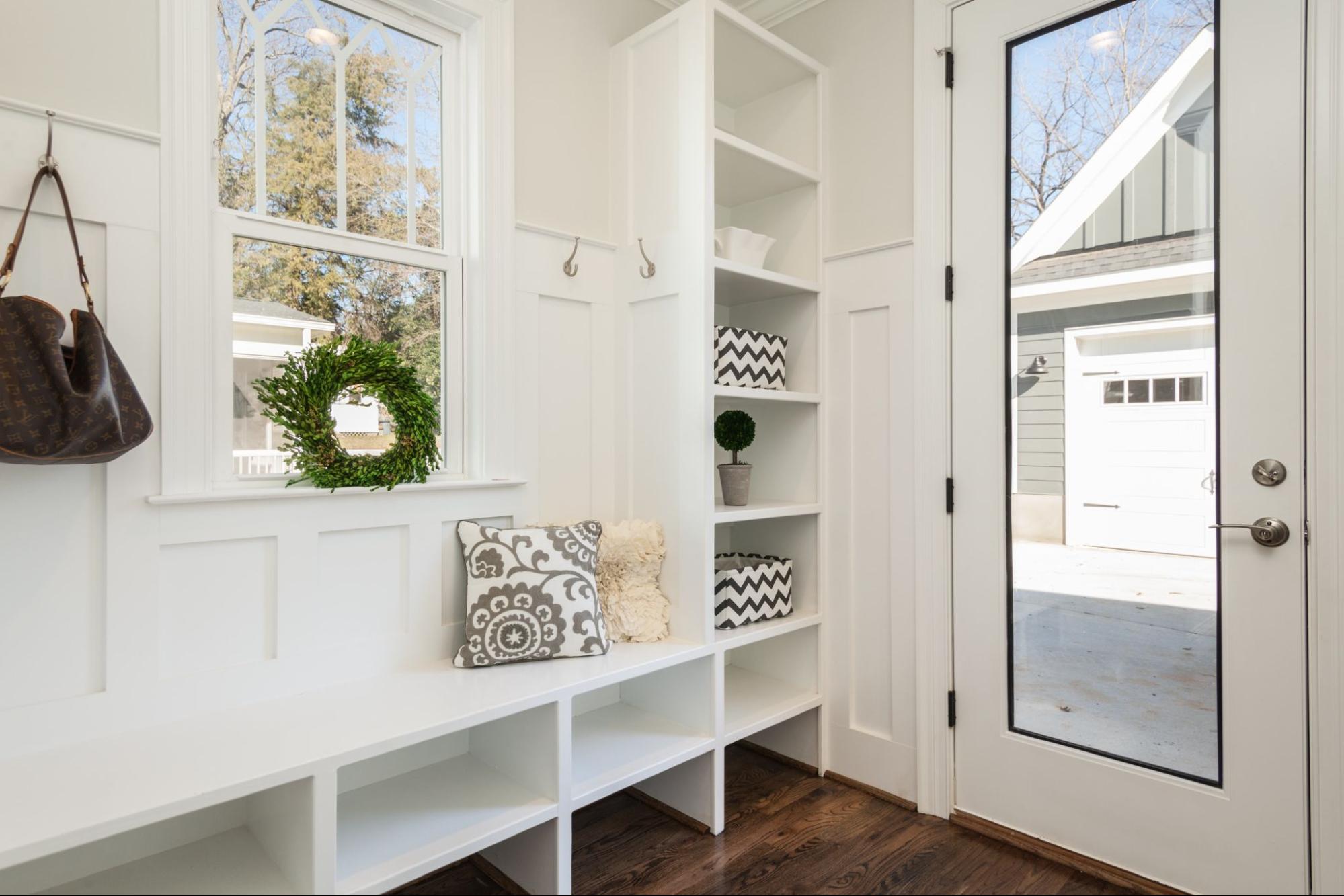
Your entryway can be a bit like a merry-go-round, can't it?
Different from your garage where things are often dropped and forgotten.
Here, you clean it up when things start to get out of control.
You put the shoes back on their rack or tray.
You pick up stray mail and bring it to your home office … or maybe the kitchen counter.
You clear the bench so someone could once again sit down and put on or take off their shoes.
You stand back and think, "it's looking good."
And for a moment, it feels like you just won a prize or a victory—because you have.
So what happens that, a few days later, all that order is gone?
Probably because someone dropped a backpack in the middle of the floor and kept walking.
Someone else walked in, kicked off their shoes somewhere, and kept walking.
A permission slip you needed to sign off on is hidden somewhere under a random hoodie.
And your keys aren't where you left them because someone needed to move the car and apparently, they don't really have an established home.
Or maybe whoever touched them last doesn't know where that home is or was too distracted to put them back in it.
Is this starting to sound familiar?
Back to the garage article along with a few others, there's a pattern here that's consistent even when your behavior and the behavior of the other people you share space with, isn't.
And here's the part nobody says out loud: your entryway isn't messy because your family is careless.
Or only because your family, or maybe only one or two people, are careless or easily distracted or not committed to living in an organized way.
It's messy because it's the one spot in the house that gets used the most but doesn't really feel like a room so it's had the fewest decisions made about it.
It's like that trusty friend you sometimes take for granted that they'll always be there, even though you neglect them.
Every other room feels like a room so you have "rules" or decisions about what goes where, even if that too is applied inconsistently.
But in the living room, the only place for the throw pillows is the sofa.
On the coffee table is the basket with the remote controls.
Next to the sofa is a table or a reading lamp or both.
Likewise, the kitchen.
Pots and pans have a home, maybe too many homes but you wouldn't find one in the laundry room.
Same thing with the bedroom.
Sleeping pillows eventually get back to the bed, even if you were lounging with them watching TV earlier.
But the entryway gets hit five, ten, fifteen times a day, by everyone who comes and goes through it, and by the time anyone thinks to deal with it, more stuff has accumulated because someone's got a story about an Amazon return or a shopping bag on its way back to the car, or some clothes that will be worn tomorrow.
And while it may get extra messy at the beginning of a school year, it's not a calendar problem.
It's not really about those book bags or backpacks at all.
It's about the fact that nothing coming through that door or on its way out the door has ever been told where it lives.
MYTH ONE: YOU NEED A BIGGER BENCH
You probably don't.
I've seen and even designed some gorgeous entryway systems—custom millwork, charming cubbies, beautiful hooks, matching baskets, and everything coordinated so it looks like an Architectural Digest spread—and they, too, get buried in under a week.
So a bigger piece of furniture doesn't create homes for things other than more butts.
It just gives the chaos a larger place to land.
MYTH TWO: THEY JUST NEED TO CARE MORE
First of all, who's "they?"
If you live alone, you're they.
And if you live with other people, is it only "them" that are careless?
Or does everyone move through this space and drop stuff thinking they'll either deal with it the next time they're in the space or it'll be gone so why even bother.
We're all creatures of habit and likely doing exactly what everyone does with something that has no assigned home: putting it down wherever it's easiest or quickest.
So your kid (or your spouse or your roommate) isn't defying a system if there's no system to defy.
MYTH THREE: IT'LL SETTLE DOWN ONCE THE ROUTINE KICKS IN
It won't, because a new schedule or routine isn't exactly the problem.
A new time to leave the house or new school or work supplies by themselves don't assign homes.
Leaving the house 15 minutes earlier won't solve the problem of "where are my cleats?"
So, to be clear, a new backpack, a new school year, or a new pair of shoes isn't causing the chaos.
None of those are going to clutter an entryway any more than any other item would when nothing in this space has a real home here.
These things will just be different stuff in the same random mess.
HERE'S HOW TO ACTUALLY ORGANIZE IT
You don't start with new or more furniture, and you definitely do not start with a lecture about responsibility and team spirit.
Scolding or shame never motivated anyone to do anything more than comply.
And as soon as the pressure was off, things return to "normal" even if normal is a hot mess.
When I walk into my home, the first things I do are open the bench—it's got an upholstered lid—and drop my keys in their dish, drop my money and my wallet in theirs, and then close the lid.
Those are the homes for those things.
In other homes, I've had a table or a shelf where those things went—here it's inside the bench.
Then I take off my shoes, mostly flipflops these days, and those sit either under or next to the bench.
If I wore a coat, it gets hung up in the front hall (coat) closet.
Likewise a hat—it hangs on a hook inside that closet.
And likewise any bags.
If a package or really anything needs to leave with me the next time I go outside, it lives right between the bench and the front door so I don't forget it.
In other homes that had a larger entryway, I had a "go" basket—a large wicker basket that sat on the floor and was the home for anything that needed to leave with me.
Now you might think all that behavior is a routine, but it's all based on where things live.
I didn't create the routine first—I established the homes first and then built the routine around those decisions.
So, if you haven't made those decisions yet, start by sorting like with like, right there by the door.
Every shoe gets gathered into one spot.
Every bag into another, and if this is the home for incoming mail, figure that out too.
What the home isn't is the top of a bench.
That's the home for your butt when you need or want to sit down.
Otherwise it's clear of things.
The tops of all furniture designed for sitting are not storage spaces, they are to be used by a human tushy and that's it.
Once you've sorted like with like you can actually see what's living here.
And now that you can see it, you decide.
Not later when things are in motion or you've got a kid standing there impatient to be driven to practice.
Now, and in advance, you decide: this is where shoes go.
This is where backpacks go.
This is where mail goes.
This is where sporting equipment goes.
This is where inclement weather gear goes.
Shopping bags, outerwear … whatever lives here now gets a home.
You assign one home to each category of stuff.
The key is to stop thinking in general terms and get specific.
So it's not enough to say, well, the bags all live in that corner.
We're not looking for a general vicinity—we're looking for an actual spot, the same one, every time.
Multiple bags get multiple hooks or bins.
Once you know exactly what needs a home and how many there are, then you put up the hooks, or get more hangers, or another basket.
That's the recipe.
So, given how many different configurations of space that exist, I'm not going to walk you through how to specifically organize your entryway here.
Just set a timer and follow the recipe.
And since I'm not a therapist, I can't advise you on how to get everyone in the house using the same homes without a fight every day.
But I will tell you this.
If the stuff belongs to someone other than you, their participation in the naming of homes is essential.
Otherwise we're back to forced compliance.
Now for small kids, they can weigh in but they probably don't need to be driving this process.
Otherwise, rest assured that in very few cases is the mess by your door a parenting problem or a willpower problem.
It's an unassigned-home problem, and it's completely fixable.
So—are you the kind of person who wants to do this kind of work by yourself, at your own pace, room by room?
Or are you more likely to do it with other people coaching you and holding you accountable?
If you're the first kind of person, my book Unstuff Your Life! walks you through exactly how to sort, decide, and assign real homes—entryway included.
Get Unstuff Your Life! here → https://www.amazon.com/dp/B0DQ2P1YS9?linkCode=ssc&tag=andrewmelleni-20&creativeASIN=B0DQ2P1YS9&asc_item-id=amzn1.ideas.3NPT054JW2UKT&ref_=aip_sf_list_spv_ons_mixed_d_asin
If you're the second kind of person, and this is key—if you know that you always get more done when someone's holding your hand and sometimes lovingly kicking your butt, then the De-Stress Your Mess™ Challenge is a great way to get your entryway sorted with me live.
Join the next DYM Challenge here → https://go.andrewmellen.com/dym
Either way, you'll want to start by setting a timer. 15 minutes is all you need. Really.
Conquer Your Clutter in Just 5 Days!
In 5 days, with ZERO overwhelm, you can tame your clutter with my simple, easy-to-use system.
Unlike those other quick-fix bandaids, THIS system solves the root cause of clutter—so it's gone for good.
For details about the next challenge, click the button below.
Video replays available 24/7 ... so you'll never miss a thing!
.png)

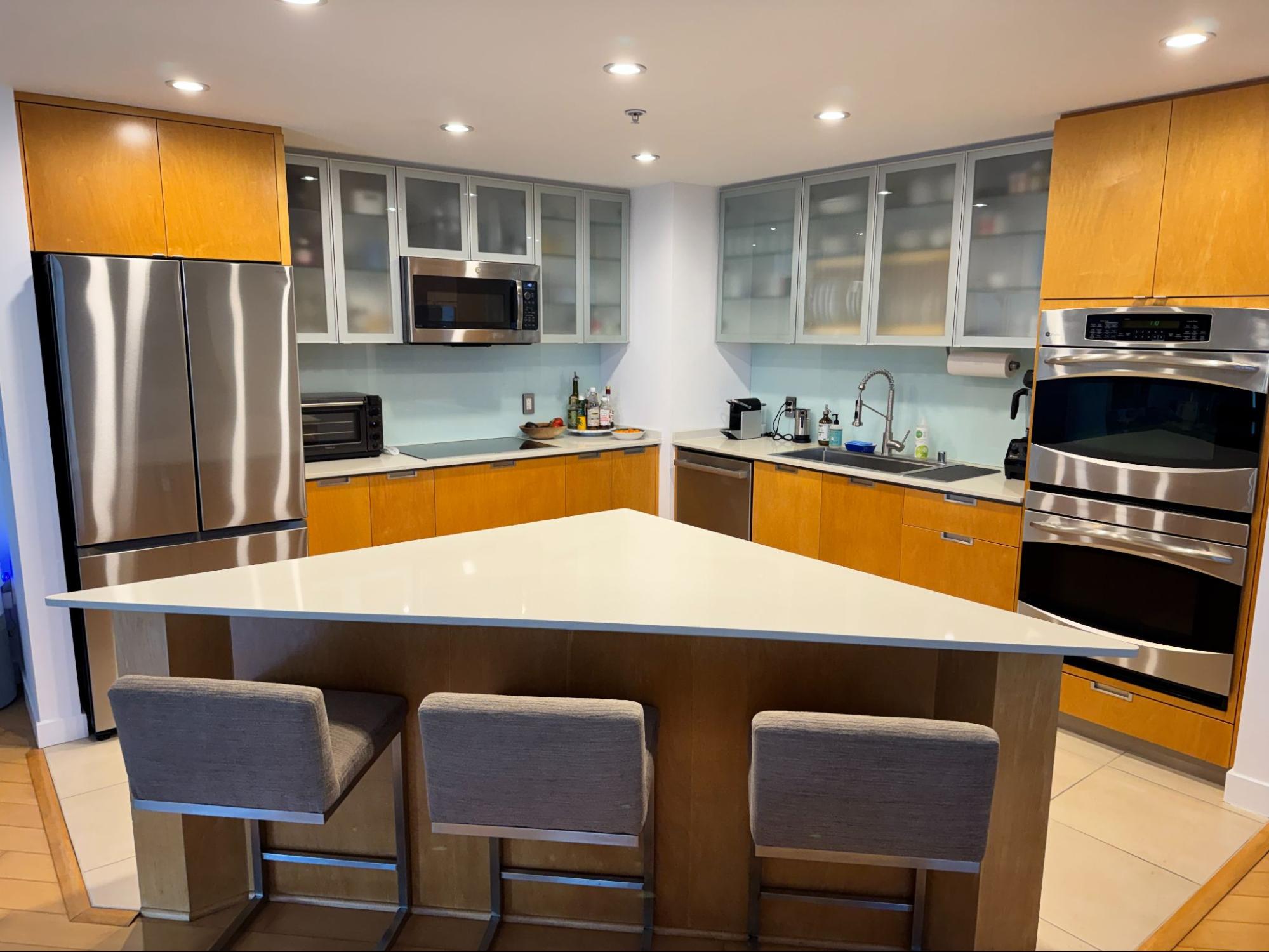
How to Keep Your Kitchen Counters Clutter-Free
A cute basket won't fix it. Andrew Mellen on why your kitchen counter becomes the default home for everything without one—mail, keys, chargers—and how to actually stop it.
Read the article →How to Organize an Entryway (So It Actually Stays That Way)
Cubbies and hooks won't save you. Andrew Mellen on why your entryway falls apart within days of cleaning it—and how to build one that actually holds, whether or not you've got kids and backpacks.
Read the article →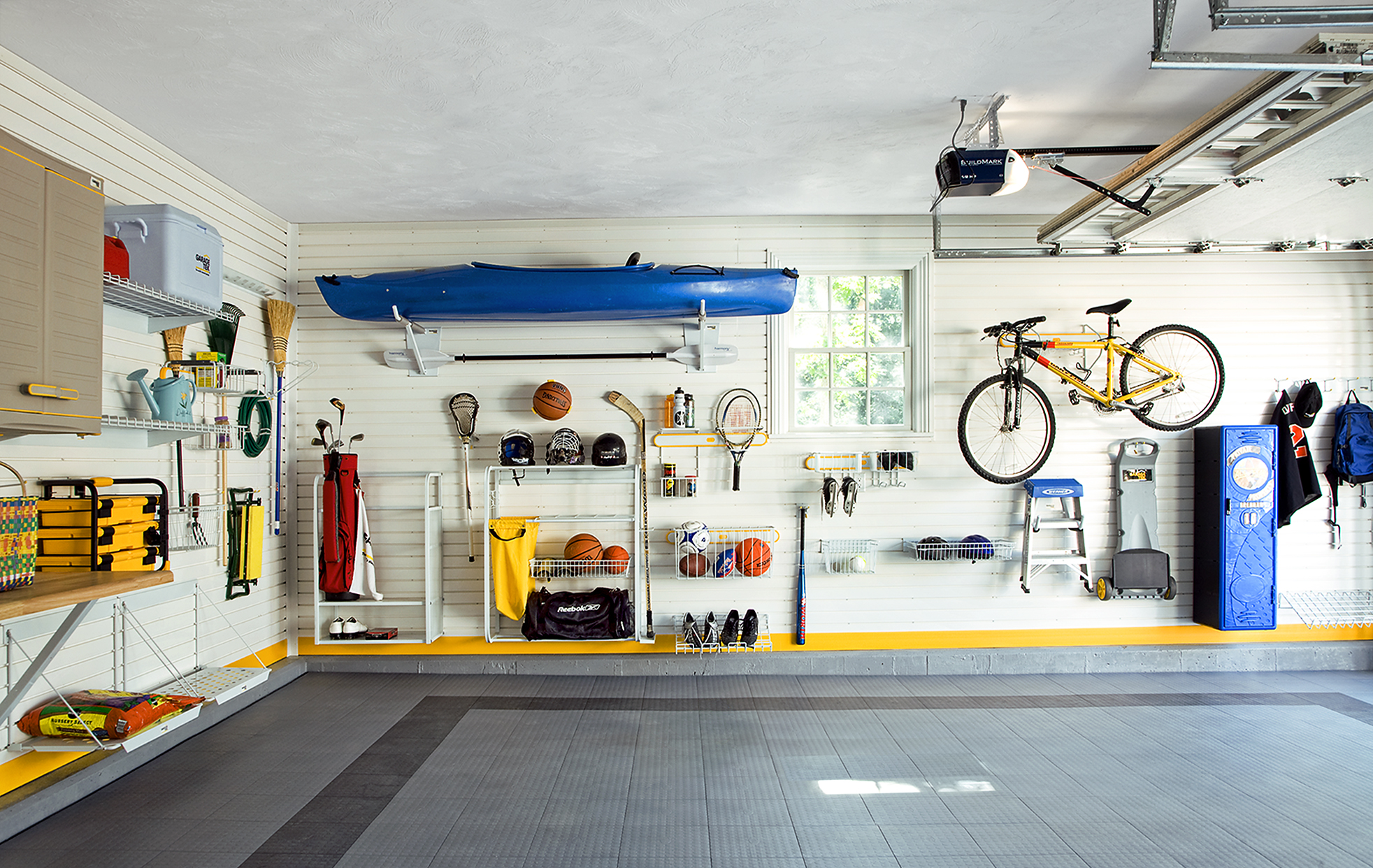
How to Declutter a Messy Garage
A bigger garage won't fix it. Andrew Mellen on why your garage became a dumping ground for every decision you didn't want to make—and how to actually clear it, one timer at a time.
Read the article →
Why Can't I Keep My House Organized?
Getting organized isn't the problem. Staying that way is. Andrew Mellen on why we're addicted to the dramatic reveal and allergic to the boring maintenance that actually works.
Read the article →
What Highly Organized People Do Differently (It Has Nothing to Do With Willpower)
You probably envy people who are always organized. Andrew Mellen explains why it's not willpower or wiring—it's standards, and anyone can build them.
Read the article →
Why Clutter Always Comes Back (And How to Finally Stop It)
If clutter keeps coming back after you organize, you're solving the wrong problem. Andrew Mellen explains the real five-step system—and why skipping a step is why it never holds.
Read the article →